Procurement guide
Employee Welcome Kits That Do Not Feel Like Generic Merchandise
Employee welcome kits in India feel better when HR teams choose useful products, restrained branding, personal notes, consistent packing, and reliable dispatch.
Executive summary
The procurement choice in one read.
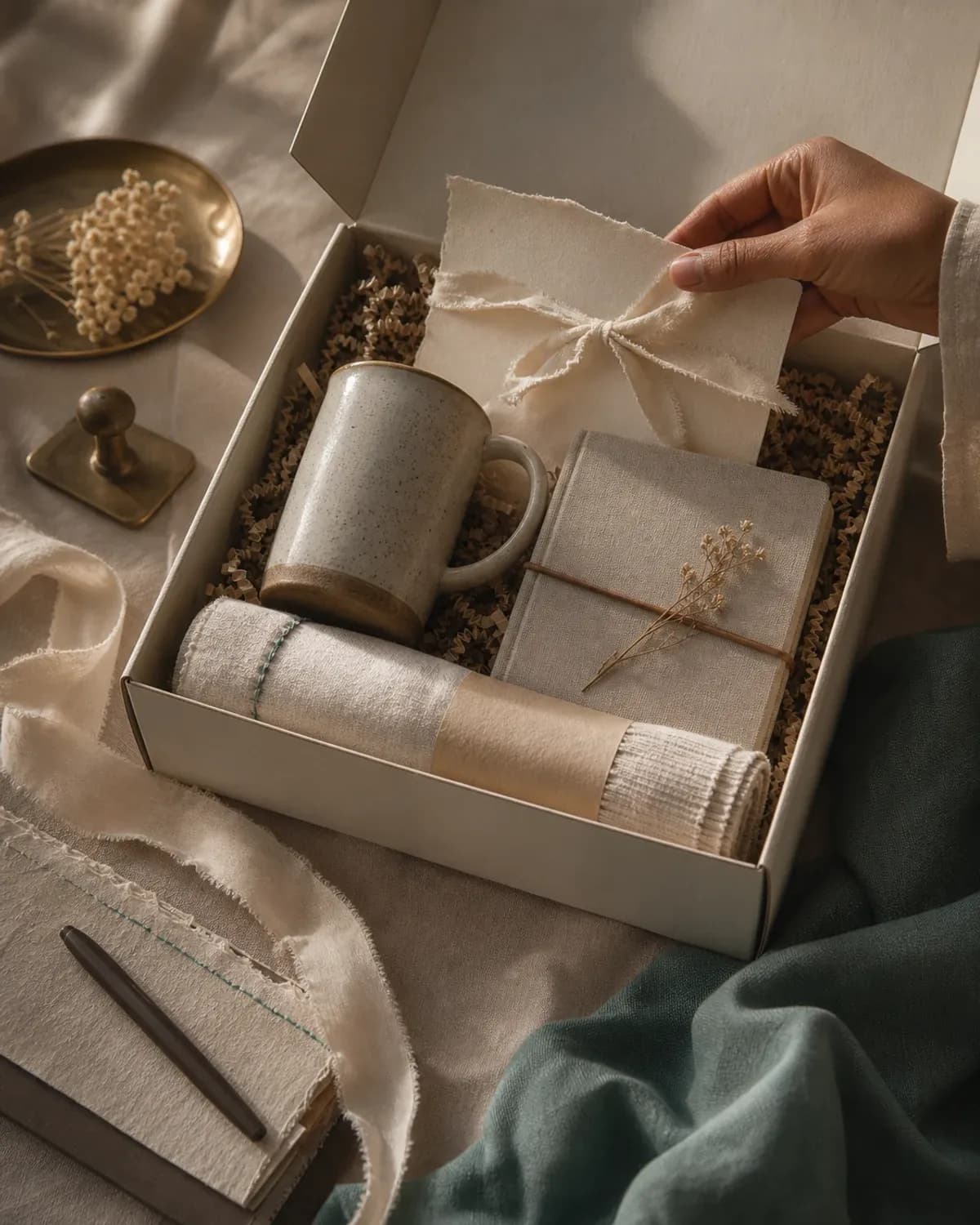
Welcome kits feel less generic when they combine useful products, restrained branding, a personal note, consistent packing, and a delivery model that works for new joiners.
Key takeaways
Usefulness matters more than filling a box with unrelated items.
Restrained branding can feel more premium than heavy logo placement.
Recurring onboarding needs a stable packing and dispatch workflow.
Handmade products work best when finish, capacity, and packaging are checked early.
What makes welcome kits feel generic
A welcome kit usually feels generic when every decision is made around logo placement or product count. A crowded kit can look full but still feel impersonal if the products are not useful, the note is vague, or the packaging does not explain why the items belong together.
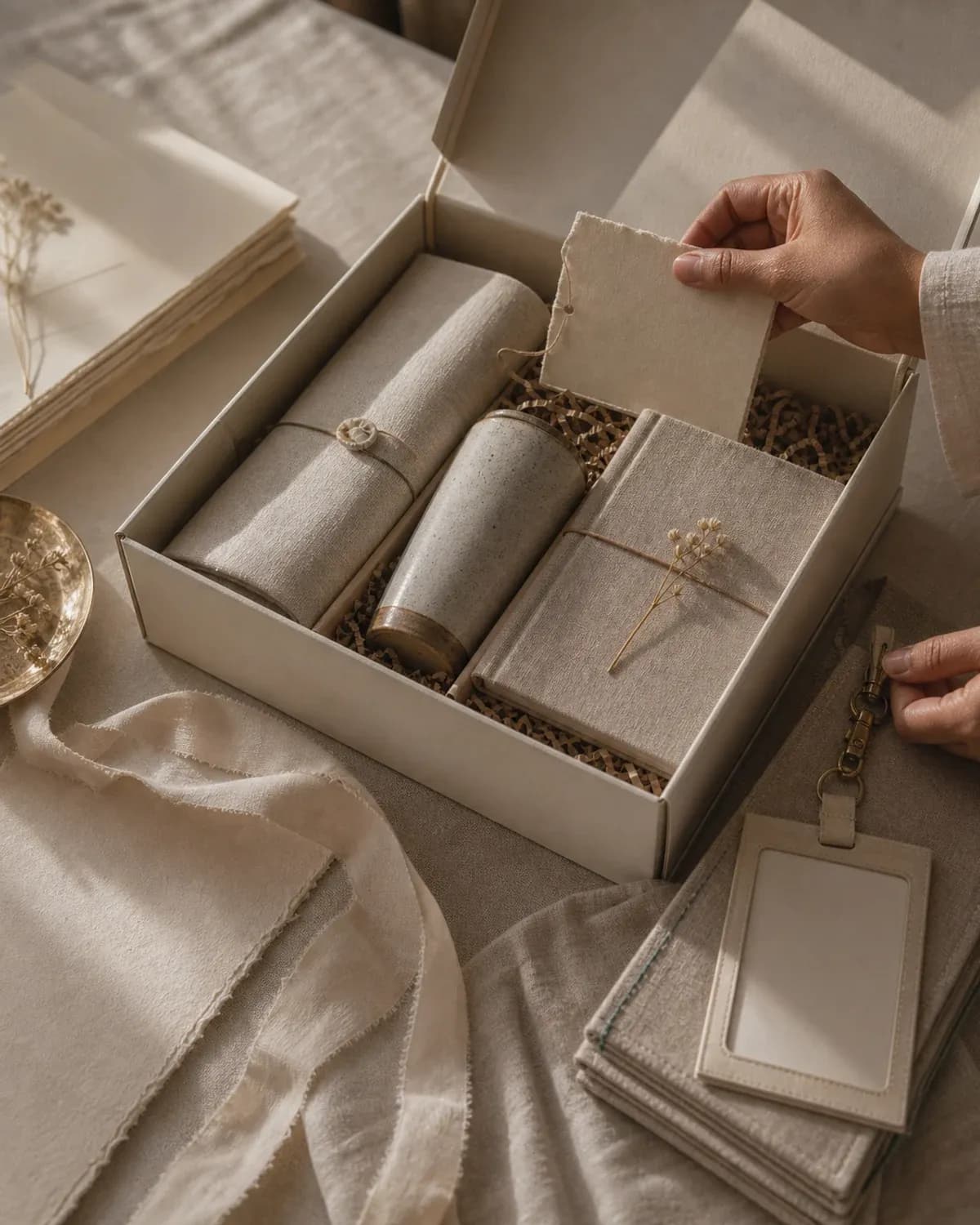
The better approach is to choose fewer, clearer components. A desk-ready handmade product, a small keepsake, a useful work item, and a warm note can do more than a large assortment with no employee context. The gift should welcome the person, not only display the company.
Useful product mix before decoration
Choose products a new joiner can use at a desk, at home, or during the first week of work.
Avoid products that require long explanation unless the insert makes the context clear.
Check whether the selected handmade product can support the intended quantity and timeline.
Use packaging to hold the kit together rather than adding unrelated fillers.
Include a note that sounds specific to the employee moment, not a generic campaign line.
Branding restraint looks more premium
Brand presence can be useful, but it should not overpower the gift. For handmade welcome kits, brand details often work better as a sleeve, insert, label, tag, or note. This leaves the product useful after onboarding and lets the handmade quality remain visible.
If the kit includes maker or sourcing context, keep the language specific and proof-safe. The handmade corporate gifts guide explains how handmade gifts can stay polished without turning into generic merchandise or unsupported impact copy.
Distributed dispatch needs a system
Welcome kits for distributed teams need more than product curation. HR should decide whether kits ship monthly, weekly, or by joining date. Address collection, phone numbers where needed, labels, packing instructions, and delivery windows should be stable before dispatch.
The term onboarding kits is useful because it frames the kit as an operating workflow. If new joiners are spread across cities, batching and address rules should be part of the brief, not an afterthought.
Checklist before requesting options
Recipient count and expected onboarding cadence.
Budget band per kit, including packaging and delivery assumptions.
Product direction: work-ready, wellness-led, desk-use, keepsake, or festive.
Branding route: insert, sleeve, card, note, or label.
Dispatch model: office handoff, home delivery, or recurring batches.
Approval owner for note copy, artwork, and final packing sequence.
Next step
When the onboarding moment is defined, send the quantity, budget band, delivery model, and note requirements through the HR gifting use case or the quote form. NGOmade can then scope handmade products, packaging, and dispatch assumptions before production is promised.
Sources
Reference trail
Employee Onboarding Kits Use Case
NGOmade
12 May 2026
NGOmade use-case guidance for onboarding kit components and dispatch batching.
HR Gifting Use Case
NGOmade
12 May 2026
NGOmade use-case guidance for employee gifting moments and procurement inputs.
Handmade Corporate Gifts Knowledge Guide
NGOmade
12 May 2026
NGOmade guidance for handmade gift fit, finish, quantity, packaging, and sourcing context.