Procurement guide
How NGO, SHG, and Artisan Sourcing Changes Corporate Gifting
NGO, SHG, and artisan sourcing can add handmade capacity, sourcing context, and proof-safe storytelling to corporate gifting when timelines and claims are handled carefully.
Executive summary
The procurement choice in one read.
NGO, SHG, and artisan sourcing changes corporate gifting by adding handmade capacity, sourcing context, and proof-safe storytelling, while requiring realistic timelines and careful language about what can be claimed.
Key takeaways
NGO, SHG, and artisan sourcing changes both product story and operating assumptions.
Handmade capacity should be checked before large quantities or custom packaging are promised.
Story cards should describe product-specific context rather than broad impact claims.
Procurement should verify sourcing language before quote approval and print production.
What the sourcing models change
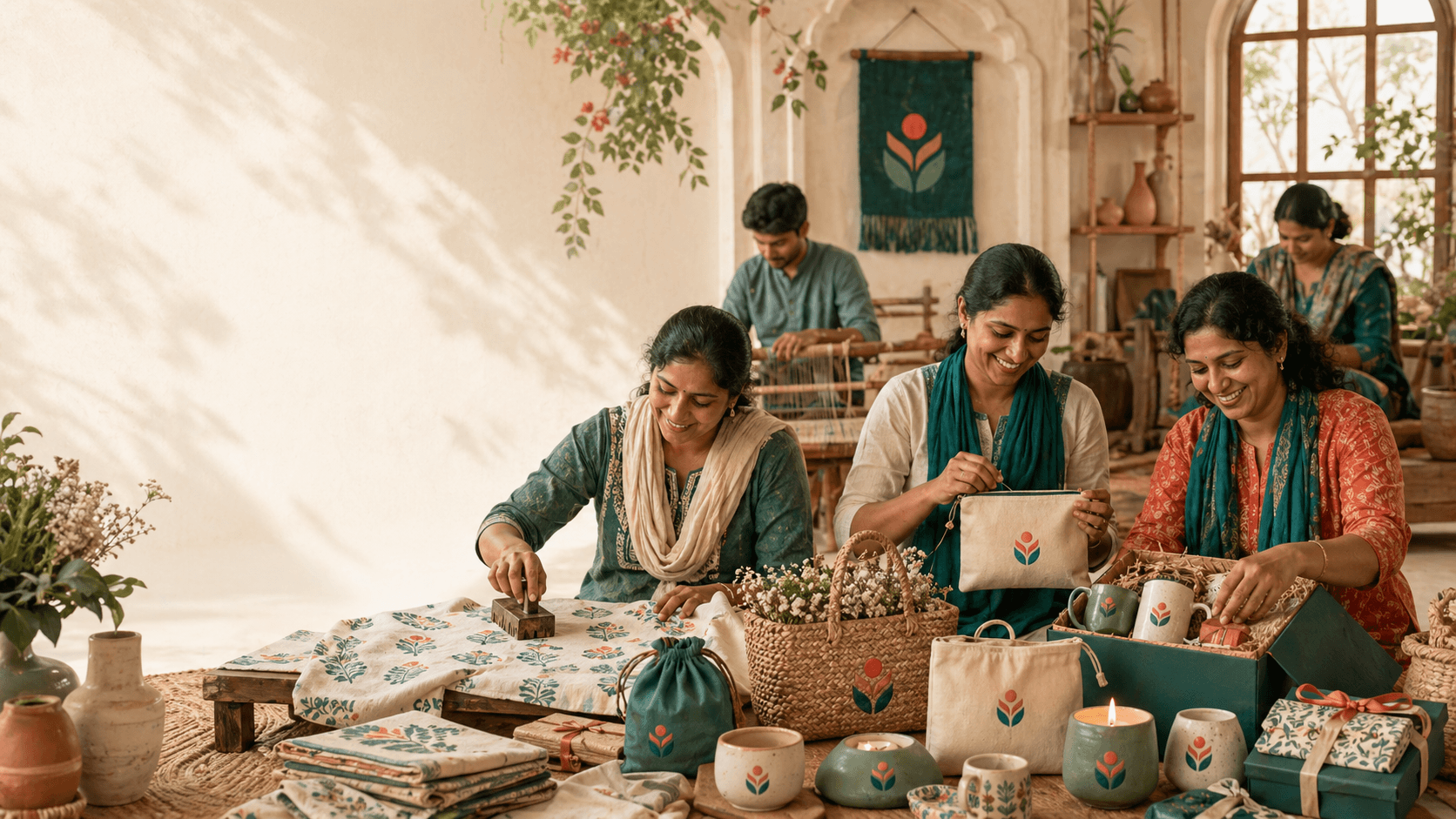
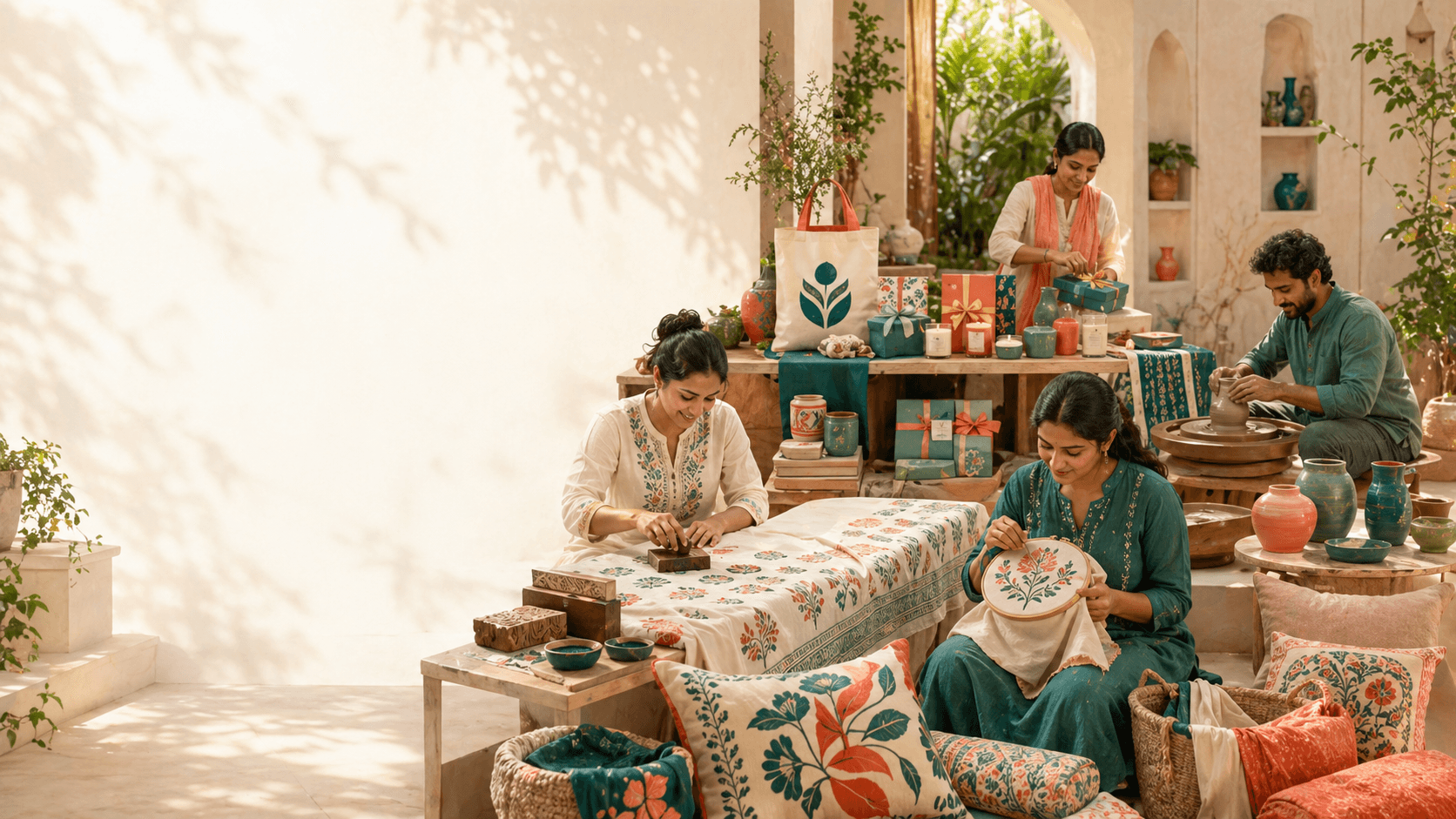
NGO, SHG, artisan, and craft-community sourcing can change the product story, production model, finish expectations, and lead-time planning. The buyer is not only selecting an object. They are selecting a way of sourcing that may carry craft context, maker dignity, and more careful production assumptions.
That does not mean every order can or should make the same impact statement. The sourcing context must match the actual product and batch. When the detail is confirmed, it can be useful. When it is uncertain, it should be left out or written more broadly.
Procurement implications
Check whether the product can support the desired quantity and finish.
Ask how handmade variation should be handled in approval and quality checks.
Confirm packaging and insert requirements before production starts.
Separate sourcing context from measurable impact claims.
Use quote assumptions that include product, packaging, taxes, and delivery scope.
Timelines and capacity
Handmade sourcing should be planned with realistic capacity. Production may depend on maker availability, material supply, finishing, assembly, and packing. That is why procurement should avoid confirming large quantities or detailed custom packaging before NGOmade checks feasibility.
For buyers planning bulk orders, the bulk gifting guide and timeline guidance can help separate product preference from operational readiness.
Story cards and sourcing context
Story cards can be useful when they help recipients understand the product. A good card can explain a craft, material, partner type, or maker context in plain language. It should not pressure the recipient, overstate impact, or imply a certification that does not exist.
Buyers can browse Stories of Impact for tone. The strongest language tends to be specific, respectful, and short enough to read as part of the gift experience.
Claim safety before print
Do not use artisan counts, income claims, client names, reviews, or awards unless documented and approved.
Do not imply every gift has the same maker or material profile.
Do not turn community context into charity language.
Do confirm whether the product, partner type, and packaging message match the selected order.
Do keep proof-sensitive copy separate from general appreciation copy.
Next step
If the brief needs NGO, SHG, artisan, or craft-community sourcing, share quantity, budget, recipient type, date, packaging, and language requirements with NGOmade. The team can then recommend feasible handmade formats and proof-safe story-card directions.
Sources
Reference trail
Impact Gifting Knowledge Guide
NGOmade
12 May 2026
NGOmade citation-safe guidance for impact language, sourcing context, and proof standards.
Handmade Corporate Gifts Knowledge Guide
NGOmade
12 May 2026
NGOmade guidance for handmade gift fit, finish, quantity, packaging, and sourcing context.
Stories of Impact
NGOmade
12 May 2026
NGOmade story archive used as tone and context reference for craft and sourcing stories.