Procurement guide
Sustainable Corporate Gifts Without Unsupported Claims
Sustainable corporate gifts should use specific product, material, packaging, and sourcing facts while avoiding broad environmental or impact claims without support.
Executive summary
The procurement choice in one read.
Sustainable corporate gifts should be described through specific product, material, packaging, and sourcing facts; broad impact or environmental claims should be avoided unless the order has verifiable support.
Key takeaways
Use specific facts about product, material, packaging, and sourcing context.
Avoid broad sustainability, impact, or environmental claims unless the order supports them.
Story cards should explain context without turning the gift into a proof claim.
Procurement should verify language before inserts or public campaign copy are approved.
Claim-safe language starts with facts
The safest language explains what is true about the chosen product. That might include handmade production, a specific craft context, a partner type, a packaging choice, or a maker story that is accurate for the batch. It should not imply universal sustainability across every item or measurable impact that has not been tracked.
This approach is more premium than exaggerated copy. Procurement and brand teams can still communicate responsibility, but the message should respect the product, the maker context, and the buyer’s proof standard.
Product and packaging facts to collect
What product is being used and what material details can be stated accurately.
Whether the gift is handmade, hand-finished, craft-led, or community-sourced for this order.
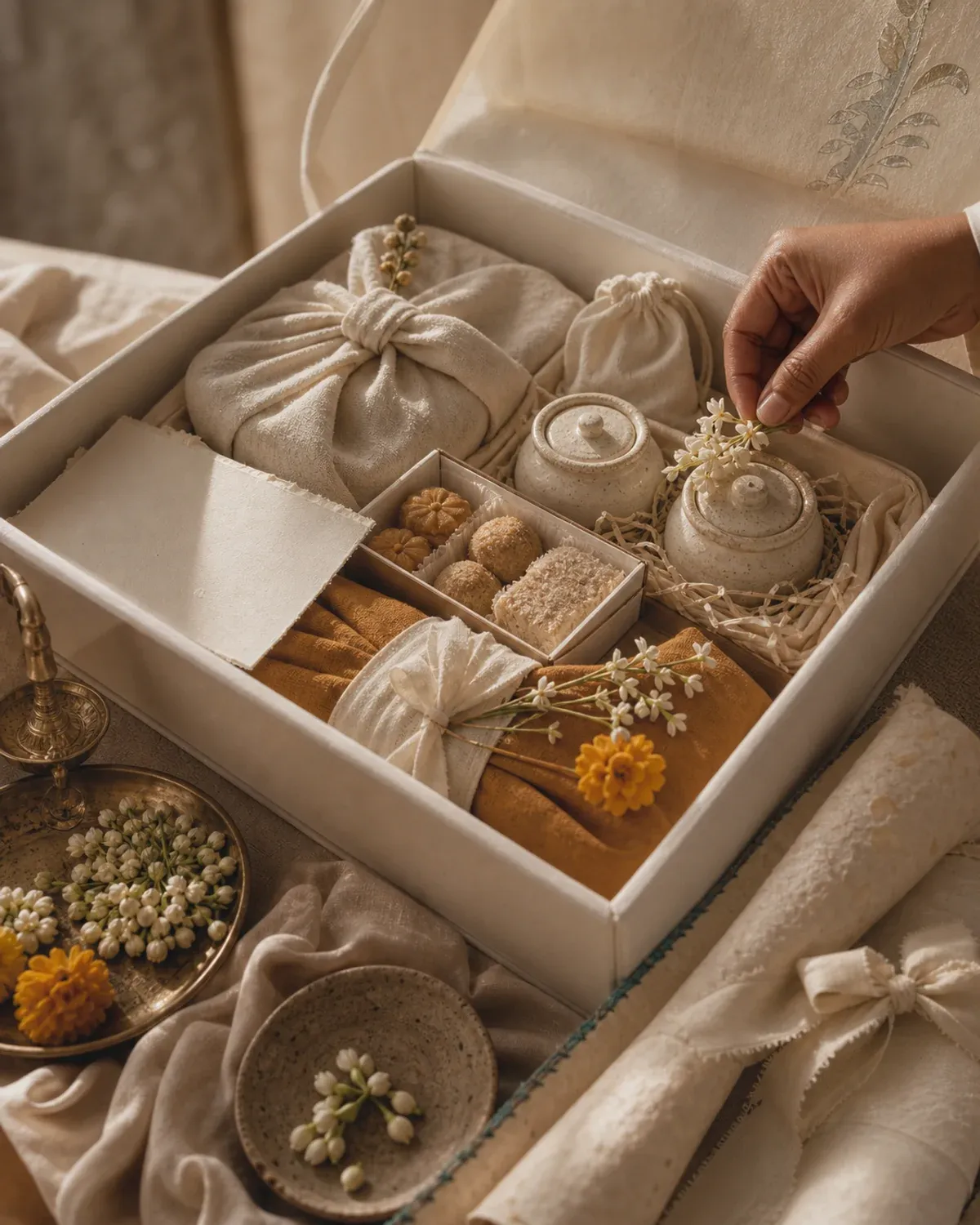
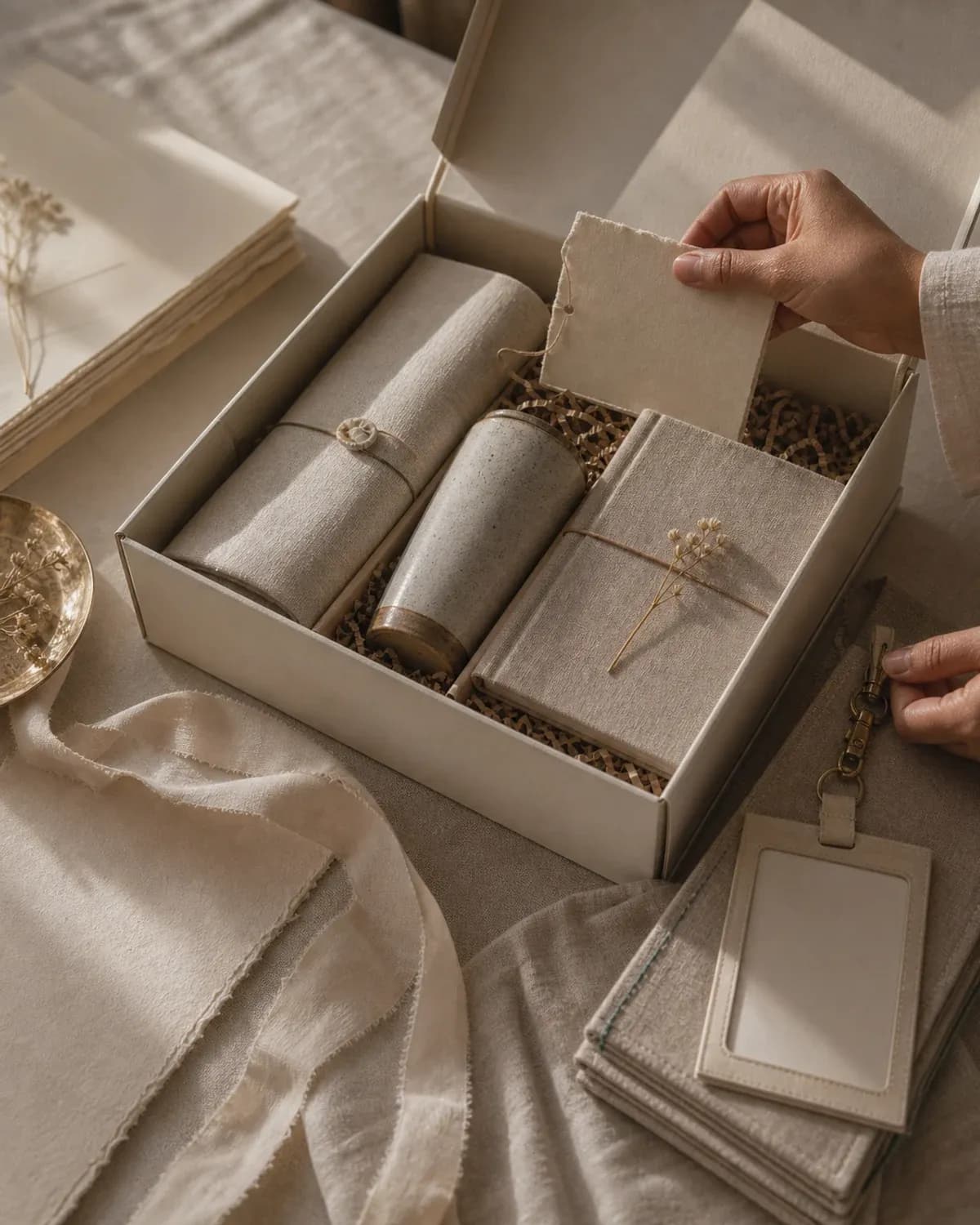
What packaging elements are standard and what elements are custom.
Whether a story card, insert, sleeve, or note will explain sourcing context.
Which claims should be reviewed by procurement, brand, or legal before printing.
What not to claim
Do not add numbers, awards, certifications, ratings, client names, or guaranteed outcomes unless they are documented and approved. Avoid phrases that imply every product has the same maker, material, or impact context. Avoid language that turns a thoughtful gift into a charity claim.
The custom packaging guide is useful because packaging is where many unsupported claims appear. Story cards and inserts should improve understanding, not create proof risk.
How story cards should work
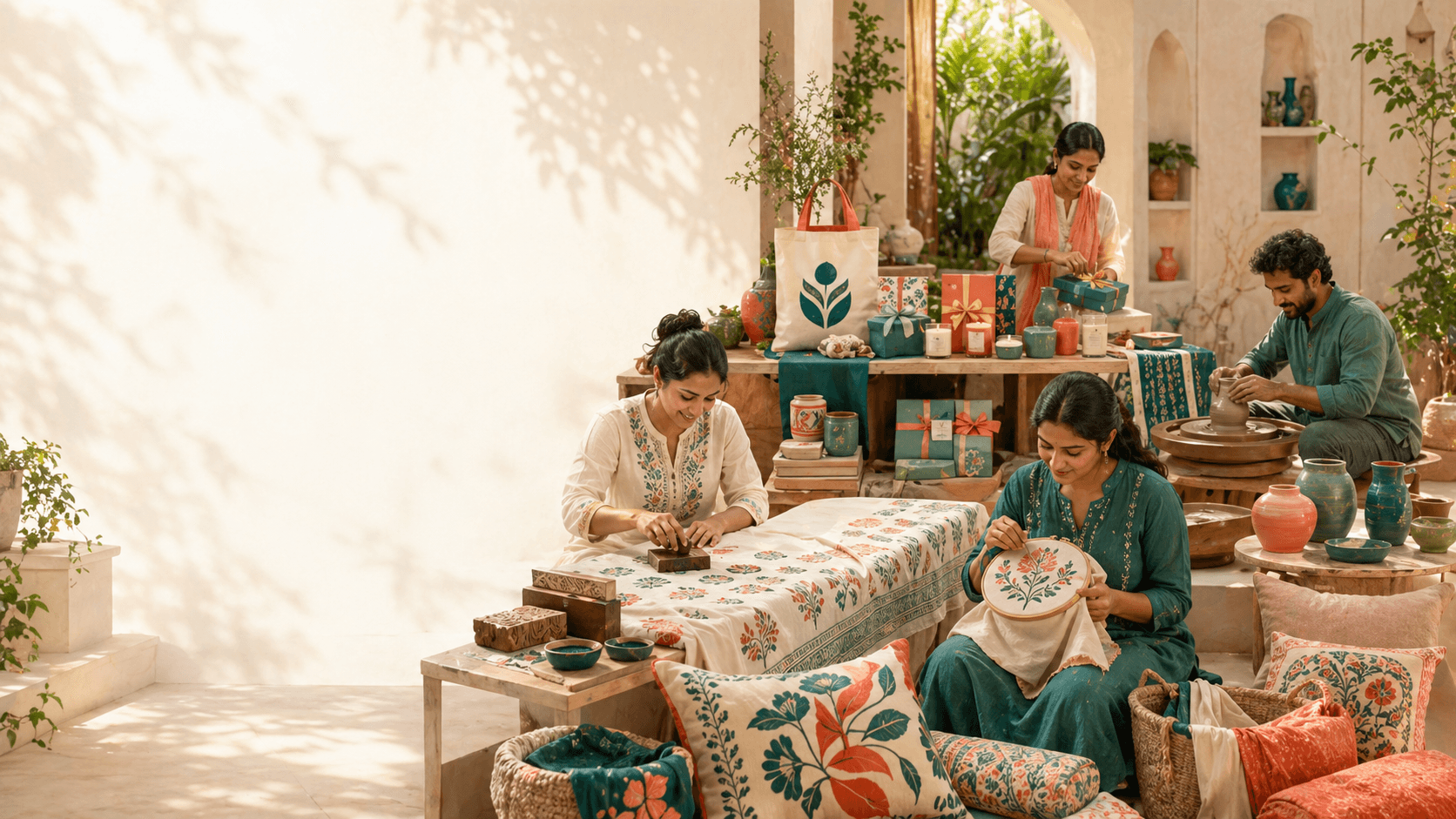
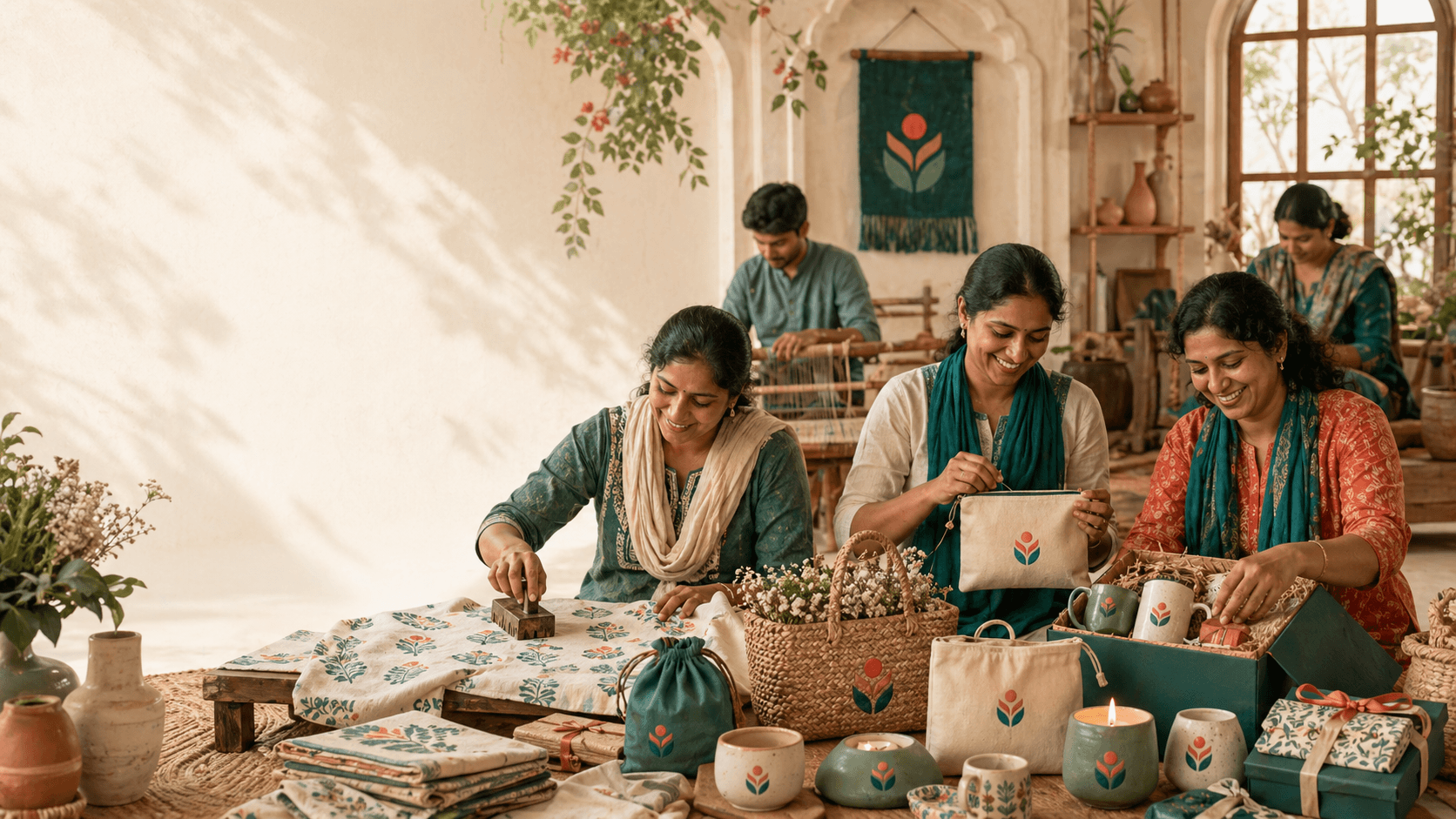
A story card can explain the craft, product context, partner type, or sourcing route in a concise way. It should be written for dignity and clarity. The buyer does not need dramatic language if the gift itself is useful, well finished, and carefully packed.
When a card mentions NGOs, SHGs, artisans, or craft communities, the language should match the product that was actually chosen. If the context is uncertain, use broader handmade or craft-led wording until the sourcing detail is confirmed.
Buyer checklist before approval
Does the copy describe the selected product rather than the whole company category?
Can NGOmade support the maker, craft, or partner context being stated?
Are numbers, awards, reviews, or certifications absent unless documented?
Does the packaging message respect the recipient and the maker?
Has the final story-card or insert copy been approved before printing?
Next step
Read NGOmade’s broader impact model, browse stories for tone and context, and contact the team when a corporate brief needs proof-sensitive sustainability language.
Sources
Reference trail
Impact Gifting Knowledge Guide
NGOmade
12 May 2026
NGOmade citation-safe guidance for impact language, sourcing context, and proof standards.
Custom Packaging Knowledge Guide
NGOmade
12 May 2026
NGOmade guidance for sleeves, inserts, labels, notes, approvals, and packing scope.
Handmade Corporate Gifts Knowledge Guide
NGOmade
12 May 2026
NGOmade guidance for handmade gift fit, finish, quantity, packaging, and sourcing context.